Quick answer
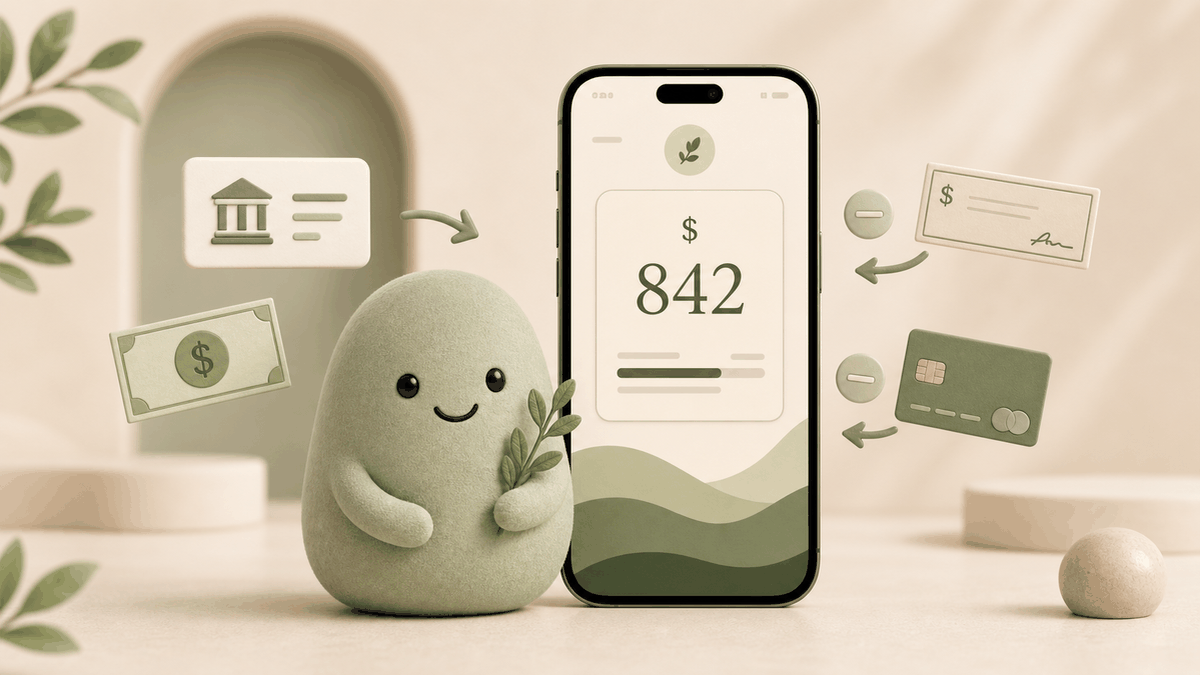
Your bank balance can be deceiving. It often includes cash already spoken for by upcoming bills. To find the cash truly *available for today*, subtract all near-term obligations (rent, car payments, utilities, credit-card minimums that draft soon) from your total liquid cash. You’ll land on a single, clear number that shows what you can actually reach without touching money reserved for bills. It’s a quick sense check, not a budget, and it helps you avoid the “I have money!” surprise when a bill drains.
Realistic money example
How to estimate it
Start with your total liquid cash: the sum of checking accounts (and savings you’re willing to use) as shown in your bank app. Next, list every payment that will hit your account in the next few days to a week. Include rent or mortgage, loan payments, credit-card minimums or auto debits, phone bill drafts, subscription renewals, and any pending transfers you’ve scheduled. Also subtract committed spending that hasn’t cleared yet, such as a debit card hold from a gas station that you forgot.
The core formula is:
Estimated spendable today = usable cash − near-term bills − protected savings − already-committed card/debit spending − other known obligations.
Protect savings you don’t intend to touch by leaving them out of the usable-cash pot. Once you subtract everything, the remainder is your “available for today” number. If it looks tight, leave an extra cushion because exact posting times can shift. Repeat the calculation every morning or before you make a purchase that’s more than pocket change. It takes less than a minute once you’re familiar with your upcoming bill calendar.
What can make this estimate wrong
Manual estimates are only as good as your list. You might forget a subscription that renews on the 15th, or a bill that auto-pays but doesn’t appear in your “scheduled” view. Uncleared transactions (like a restaurant tip not yet added to the hold) can shrink the actual available cash. Sudden fees, refunds that haven’t posted, or a delayed direct deposit can all throw off the number.
The farther out you look, the less reliable the forecast becomes. A bill due in ten days may not be top of mind, but it will still reduce what’s truly free today if you must reserve funds for it. This snapshot isn’t something you can set and forget. It shifts daily and should be treated as a decision-support signal, not a locked-in allowance.
How Pip handles it
Pip connects to your bank through a read-only link, reads your current balances and upcoming transactions, and handles the calculation for you. It subtracts known recurring payments, recent debit card holds, and any scheduled bill-pay transfers from your actual cash without ever moving money. Pip does not move money and does not store bank usernames or passwords; the connection only sees what you need to see.
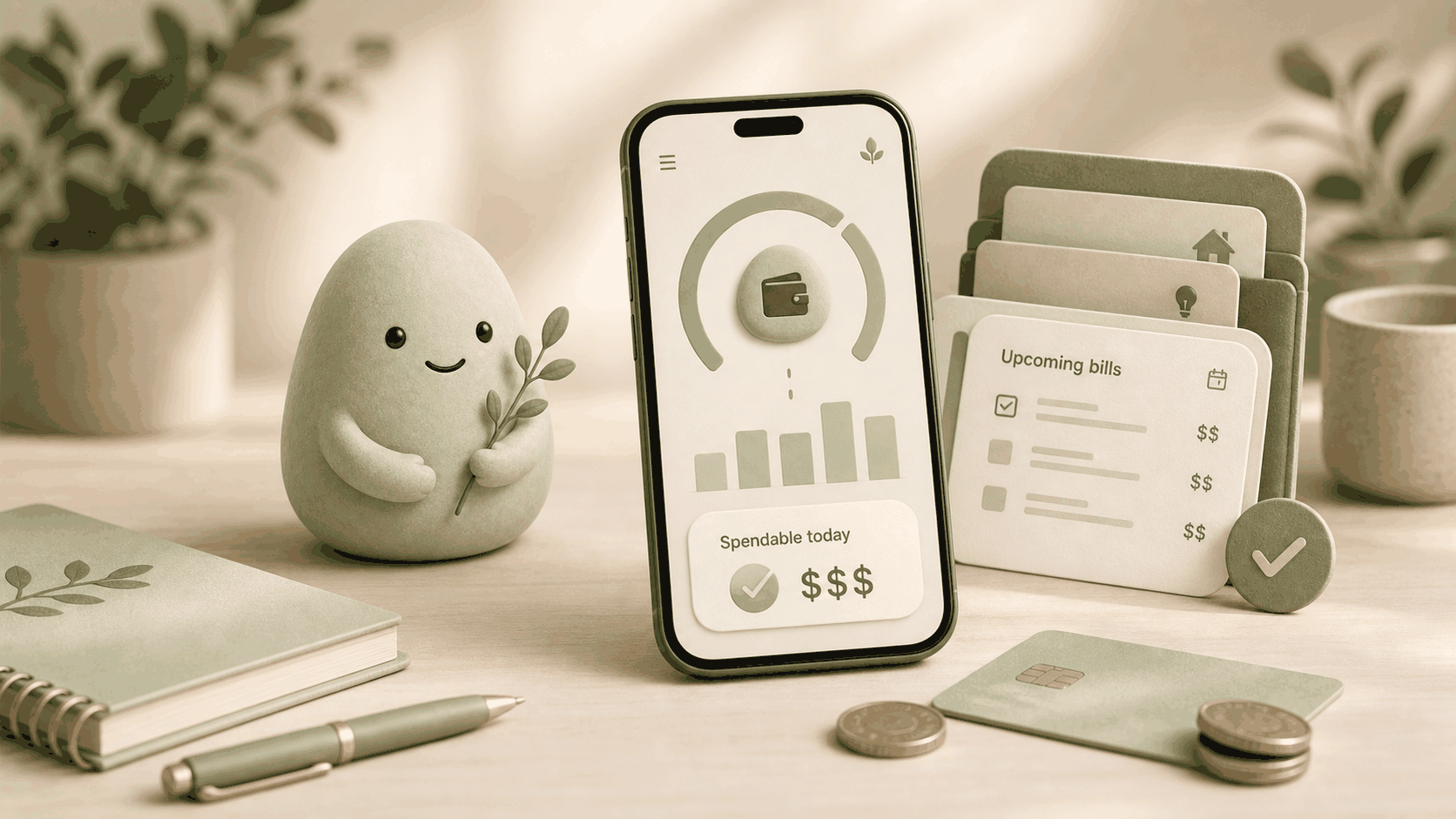
The result is your Spendable Cash Today, a single, daily refreshed number that answers “What’s available for today?” in a few seconds. You can mark certain savings accounts as off limits so they aren’t accidentally included. Because the data updates automatically, you catch forgotten bills and unexpected dips earlier than you would by checking a raw balance. Pip’s output is not financial advice. It shows what’s available for today, without judgment.
FAQ
How is cash available after bills different from my bank balance?
Your bank balance shows every dollar, including money already earmarked for bills. That can make you feel richer than you really are. Cash available after bills subtracts those pre-committed amounts so you see what’s left for flexible spending. Pip’s read-only access calculates this number securely without ever moving money, giving you a straightforward “available for today” view.
Is my bank information safe if I use an app to calculate this?
Yes, when the app uses a read-only data connection it can only view balances and transactions. It does not move money. Pip does not store bank usernames or passwords, so your login credentials never live on our servers. You retain full control over what accounts you link, and you can disconnect at any time. Visit our Security page for the details.
What if my income is irregular or I get an unexpected bill?
An irregular pay schedule makes a buffer even more important. The daily number still shows what’s available after obligations, but you may want to mentally subtract a cushion (say, an extra $100–$200) until the next deposit hits. An unexpected bill will drop the “available for today” amount immediately, so a quick morning check with Pip helps you see the change before you spend on something else.
Can I use this number to decide if I can afford a big purchase?
The number is best for everyday spending decisions: lunch, groceries, a small treat. For a major purchase like a vacation or furniture, you’ll need a broader look at upcoming weeks and months. The daily snapshot doesn’t account for longer-horizon goals, so treat it as a guardrail, not a full budget. As always, it’s not financial advice.
Source notes
- Pip uses a read-only account connection, does not move money, does not store bank usernames or passwords, and is not financial advice. The calculation adapts the principle of liquidity after short-term obligations, a concept used in personal finance coaching. Pip’s Spendable Cash Today model refines this idea with behavioral design so you check one number instead of a spreadsheet. For a deeper dive, see How the number works. This article is not financial advice.