Quick answer
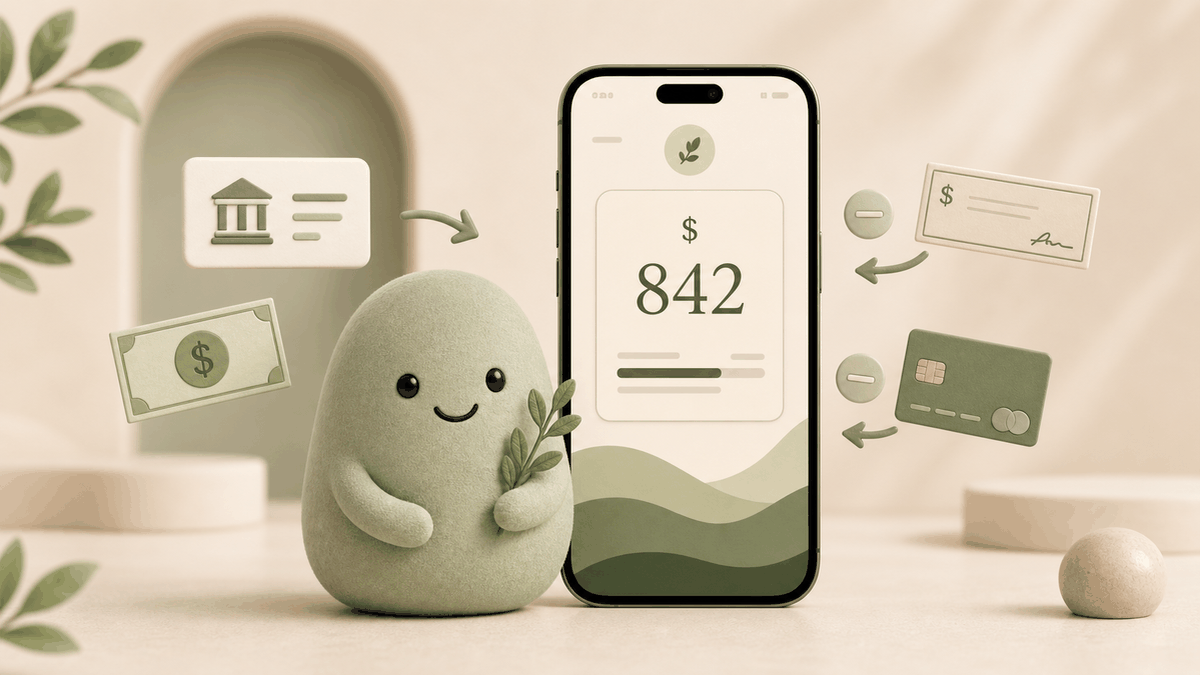
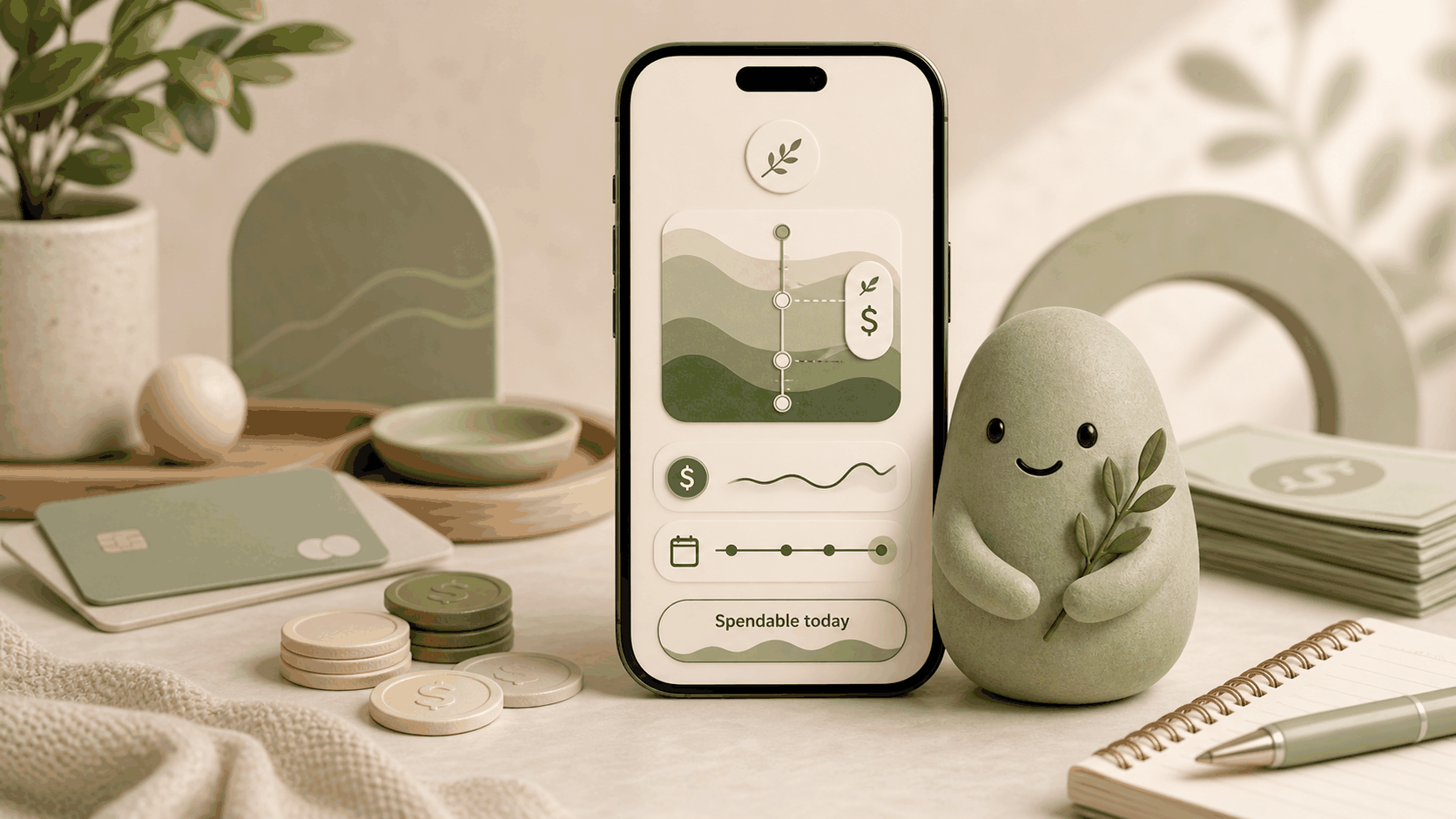
Stop guessing by swapping your raw bank balance for a single daily spending number. Your checking balance includes upcoming bills, protected savings, and card payments you have already committed to, which makes it hard to see what is actually free. Subtract those near‑term obligations to get your Spendable Cash Today figure, money you can use for coffee, lunch, or errands today without juggling numbers in your head. Pip calculates this number each morning from your read‑only account data so you get a clear, available‑for‑today signal.

How a daily number cuts through the guesswork
A quick look at your checking account shows one total. That number includes rent due in two days, an electric bill auto‑drafting tomorrow, and a credit card payment you scheduled for next week. Figuring out if you can afford a $7 sandwich turns into a mental subtraction exercise. Guessing starts when you try to hold all those commitments in your head.
The formula behind a spendable‑today number is straightforward:
Estimated spendable today = usable cash – near‑term bills – protected savings – already‑committed card/debit spending – other known obligations
You don’t need a complicated budget or categories. You just need a clear view of what you cannot spend. Take out the money that already has a job, and the leftover becomes your low‑pressure decision‑support number. That turns the question from “Can I?” into “Here is what’s available for today.”
A realistic money example
When you separate upcoming obligations from your bank balance, the guesswork fades.
Without the breakdown, you would see $1,200 and assume you have room. But $850 is already spoken for, leaving $350 that is truly available for today. A daily glance at that $350 removes the guesswork. You know exactly where you stand without a mental spreadsheet.
How to estimate what’s really available for today
1. Start with your checking balance, the raw number you see when you log in. 2. List near‑term bills due soon (rent, utilities, subscriptions, loan payments) that will leave your account before your next payday. 3. Subtract any protected savings buffer you don’t want to touch for daily spending. 4. Remove pending card transactions and scheduled payments that haven’t cleared yet. 5. Subtract those obligations from your balance to get a rough daily spending floor you can refine as you learn which bills hit when.
This method is simple enough to do by hand, but staying accurate day after day trips most people up. Automated tracking, without moving money, turns a one‑time calculation into a steady morning habit.
What can make this estimate wrong
An up‑to‑date spendable number helps, but a gap can still open between the estimate and your actual spending:
- Missing accounts: A credit card bill paid from an account you did not connect will not be subtracted.
- Stale connections: If the bank link drops, the morning number may use old balances.
- Delayed transactions: Some charges take days to post, so today’s spending may not show up.
- Unexpected bills: Surprise expenses like medical copays or subscription renewals can throw off the estimate.
- Manual spending: Cash or prepaid card purchases never appear in connected accounts.
These limits exist. The spendable number is a decision‑support signal, not a flawless budget. It shifts you from guessing on a misleading bank balance to an informed choice, but it cannot catch every surprise.
How Pip handles it
Pip connects to your bank accounts with read‑only access. It can view transactions and balances but does not move money. Pip never stores your bank usernames or passwords; the connection uses a secure, token‑based link. Each morning, Pip looks at your total cash, spots upcoming bills and recurring income, and learns what money is probably already committed. Then it subtracts those near‑term obligations from your usable balance to produce one number: Spendable Cash Today.
You don’t set up categories, track every purchase, or manage spreadsheets. If you connect multiple accounts, Pip blends them into a single spending signal. The number is an estimate (it’s decision support, not financial advice), but it replaces the daily guessing game with a clear, available‑for‑today reference point.
For more details on the math and product boundaries, see How the number works and Is Pip read‑only and secure?.
FAQ
Does Pip need my bank login details?
No. Pip connects to your bank with a read‑only connection through a trusted partner. You authenticate once, and Pip never sees, stores, or keeps your bank username or password. The app can view your account data, but it does not move money.
What if I have more than one bank account?
You can connect multiple checking, savings, and credit card accounts. Pip aggregates their balances into a single Spendable Cash Today number, so you still get one low‑pressure signal instead of jumping between apps.
Will the number change during the day?
Pip refreshes the estimate each morning after your banks update. It doesn’t push real‑time alerts. If you make a large purchase at noon, that transaction likely won’t appear until the next day’s refresh. The number is meant for a daily check, not second‑by‑second tracking.
Is the daily number financial advice?
No. Spendable Cash Today is a decision‑support estimate based on your account data and the obligations Pip can detect. It is not financial, tax, investment, or credit advice. Always consider your own circumstances before making a purchase.
Source notes
Pip uses a read‑only account connection, does not move money, does not store bank usernames or passwords, and is not financial advice. The spendable‑today formula reflects a common method: separate committed cash from discretionary cash. Pip’s implementation is proprietary. For more, see What is Spendable Cash Today? and Why your bank balance is misleading. Pip’s security approach is detailed on our Security page.