Quick answer
Your bank balance is misleading because it shows all the money in your account, not what’s actually available to use. Uncleared bills, upcoming rent, credit card payments, and savings you’ve set aside all make that number look larger than your real spending power. You might see $2,000 and feel flush, but once obligations are accounted for, only a fraction is usable. That gap is why relying solely on your balance often leads to overspending and last-minute anxiety.
A realistic money example
Consider a typical couple with a joint checking account and a savings account.
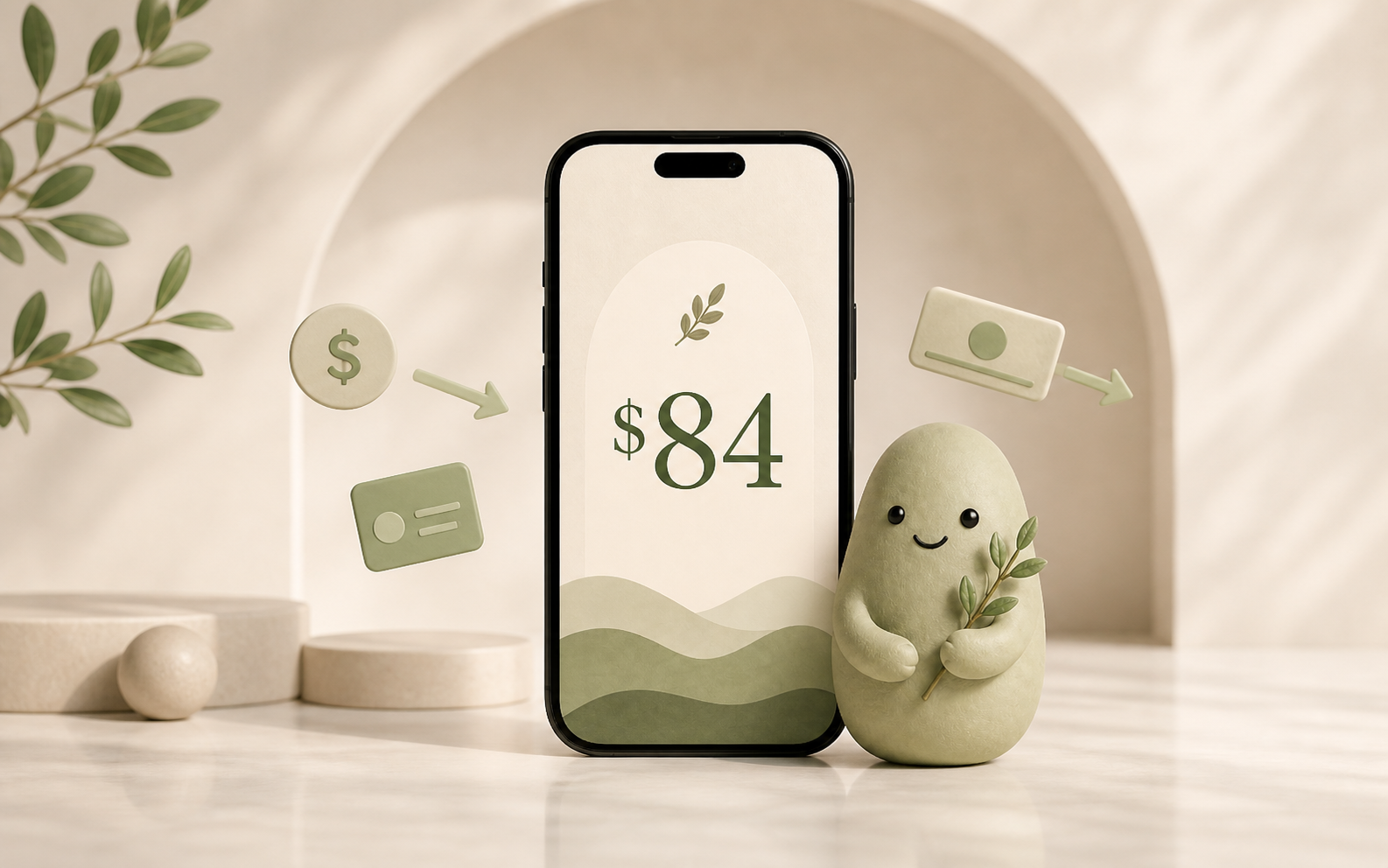
Even though their combined balances look like $5,000, only about $150 is available to use today. That $150 comes from subtracting near-term bills, credit card payments, and protected savings, exactly the formula Pip uses: estimated spendable today = usable cash – near-term bills – protected savings – already-committed card/debit spending – other known obligations. A quick glance at the bank app might suggest they could afford dinner and a shopping trip, but if the couple spends $350 today, they’d be $200 short when rent hits. This is a classic money mistake: seeing a large balance and treating it as money that’s actually available. The bank shows a comforting number; the number that keeps you safe subtracts what’s already spoken for.
How to estimate it
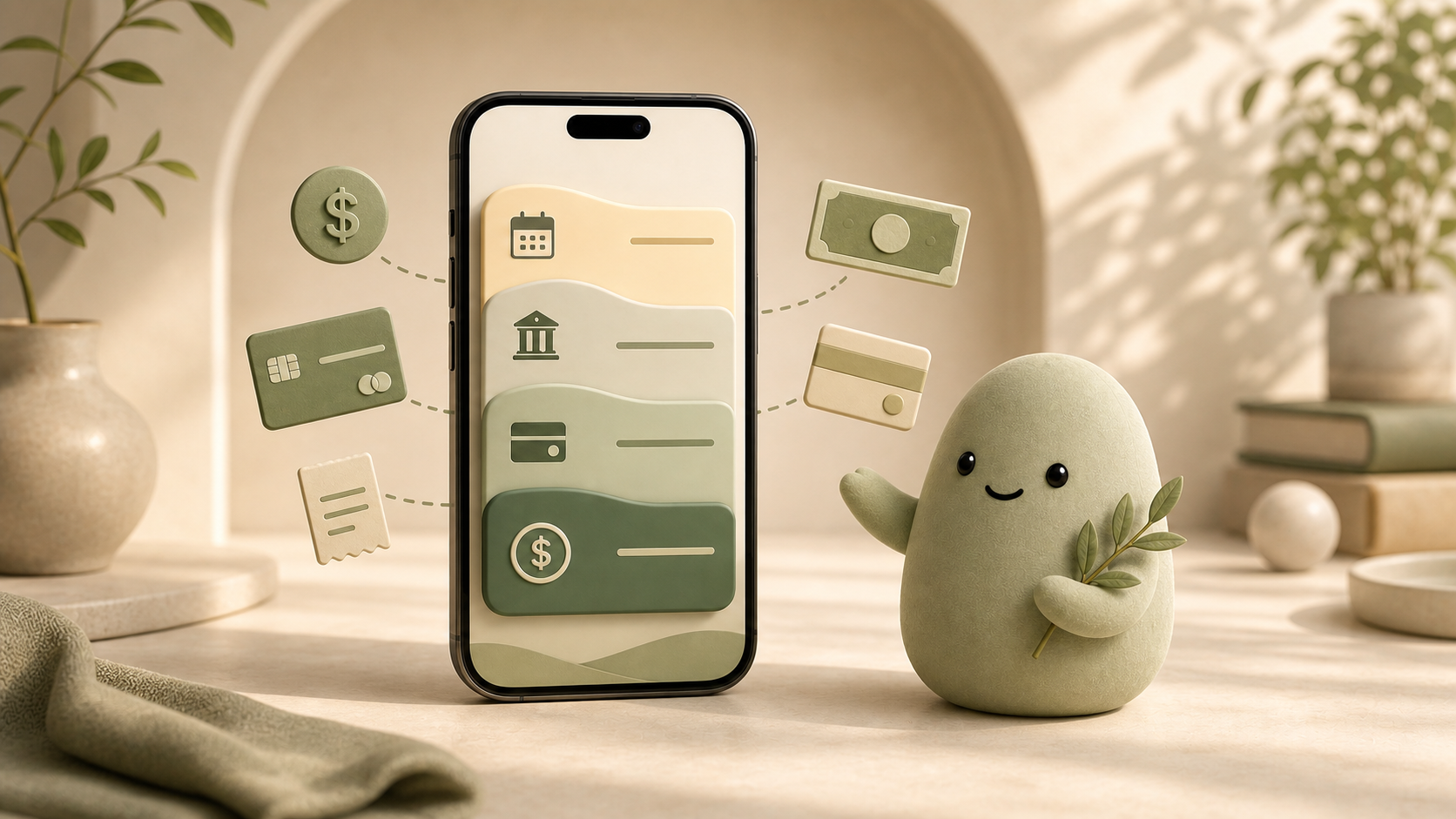
If you want to calculate your true spendable amount manually, start by adding up all your cash accounts: checking, savings, and any cash on hand. Next, list every upcoming bill due within the next week or two, like rent, utilities, subscriptions, loan payments, and credit card balances that are about to be withdrawn. Subtract any money you’ve set aside as protected savings (such as a monthly savings goal you don’t want to touch) and any card or debit spending that hasn’t cleared but is already committed. Also account for other known obligations, such as automatic transfers to investment accounts or planned upcoming expenses. The number that’s left is a rough estimate of what’s safe to use today. Without regular updating, though, this manual snapshot quickly goes stale, and missing just one pending bill can break the calculation. This DIY method demands constant vigilance; one forgotten bill can make your estimate wrong by hundreds of dollars.
What can make this estimate wrong
Even the best estimate has blind spots. Account balances may not reflect checks that haven’t cleared or debit transactions that are still pending. If you’ve linked accounts through Pip, the read-only connection can have a short delay, usually a few hours, or up to a day in rare cases. Unexpected bills, like a medical expense or car repair, can appear after your snapshot. Refunds and reversals that haven’t posted can also distort the picture. Forgetting a recurring subscription or a savings goal will overstate your number. Because Pip uses a read-only connection, it can’t move money or predict future transactions you haven’t entered; it relies entirely on the data your bank provides. If your bank connection is temporarily unavailable, the number may fall behind. The key is to treat any estimate as a daily signal, not a guarantee, and review it regularly.
How Pip handles it
Pip is designed to give you a clear daily spending number without any heavy lifting. You securely connect your main spending account using a read-only link; Pip never sees or stores your bank username or password. Each morning, Pip fetches your latest balance, then subtracts the near-term bills you’ve entered, your protected monthly savings, and any pending card or debit commitments. What’s left is your Spendable Cash Today, a simple number that answers “how much can I safely use right now?” Because Pip doesn’t need categories or complex budgets, it fits a daily rhythm: you check your number, decide, and move on. Pip does not move money and is not financial advice; it’s a companion that helps you see the money that’s truly yours to spend. For a deeper look at how the calculation works, see How the number works. And because the whole system is read-only and bank-grade encrypted, your data stays safe. Learn more on our Security page.
FAQ
Why does my bank balance look high even though I feel broke?
When upcoming bills and pending payments haven’t left the account yet, the balance looks artificially high. You’re seeing all the money that’s still temporarily parked there, not what’s truly free. It’s like having a full fridge but knowing half the ingredients are for a dinner party you’re hosting tomorrow; you can’t eat them today. This mismatch is why you can feel broke even when your bank app shows a comfortable number. Pip’s Spendable Cash Today draws a line: it shows what’s left after those commitments, so you’re never surprised.
How often does Pip update the number I see?
Pip refreshes your balances and recalculates Spendable Cash Today once each day, usually in the morning. If a transaction hasn’t posted yet, it won’t be reflected immediately, but the next refresh will catch it. You can also pull to refresh manually in the app if you need the latest number right away. This daily rhythm keeps the number relevant without overwhelming you.
Can I rely on Pip’s spendable number without a budget?
The number is designed as a decision-support guide, not a complete financial plan. It helps you answer the everyday spending question without categories or spreadsheets. For many people, that’s enough to avoid overspending and feel less anxious. If you need detailed tracking or long-term planning, you may still want to look at your full financial picture. Pip does not replace advice, and it is not financial advice. For daily spending peace of mind, the number is remarkably effective.
Source notes
Pip uses a read-only account connection, does not move money, does not store bank usernames or passwords, and is not financial advice. The core formula (spendable today = usable cash minus obligations) reflects standard personal finance practice, applied daily by Pip. This article is based on Pip’s product methodology and common money-psychology insights. No external sources were used; this is an educational resource, not financial advice.